


4 Easy Ways to Extend Your Harvest by Succession Sowing & Planting
- Mar 17, 2023
- 6 min read

Succession planting is staggering your planting to extend the seasonal harvest of your favourite vegetables.
There is no doubt that it requires a bit of extra forethought and planning but is worth it for the extended harvests, eating organic homegrown from spring till winter.
There are several ways to do successive sowing. You all know how I roll! I want to grow as much as I can but in the easiest possible manner. Life is complicated enough! So here are some of the ways I extend my growing season.
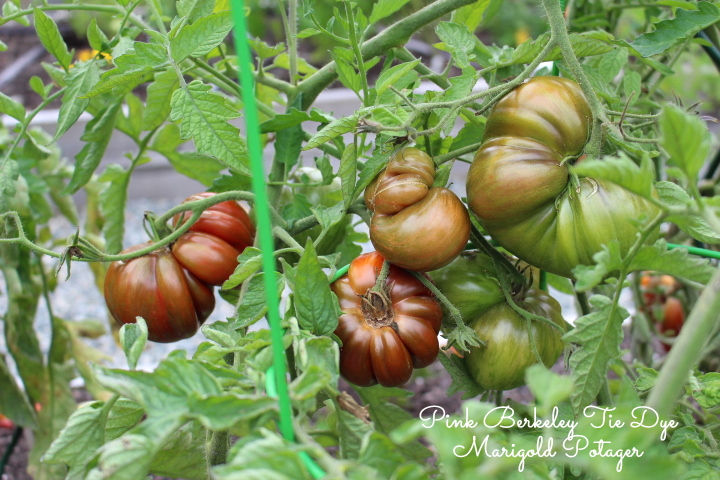
Plant several varieties of the same veggie with different maturity dates.
1. This is my most favourite ways to succession plant. Grow the same vegetable but with varying harvest dates. They are sown or planted at the same time but mature at different rates for that extended harvest. You can do this with most all vegetables but here are some of my favourites.
Growing tomatoes is my biggest passion. I plant them all at the same time but with varying maturity dates so that I stay in tomatoes from early summer till frost.
I plant early, mid, and late ripening varieties. Here are just a few of my favourites from each grouping, but there are oh so many more. You grow the types you like best. I tend to prefer the black and green tomatoes over red ones, and love beefsteaks the most.
Early tomatoes ripen really early in the season - 50 to 65 day growing season.
These will be determinate varieties of cherries and slicers. The majority of the earlies are red, but there are also a few early yellows. Some that I highly recommend are Elfin, Droplet, Sprite (cherries) and Early Annie, Latah, Stupice, Russian Saskatchewan, Sasha's Altai, Manitoba (slicers).
Main Crop/Mid-Season are tomatoes that mature in 65 to 80 days.
They cover all the tomato groups, so cherries, slicers, pastes, and even a few beefsteaks. These ones are my most favourite to grow - Black Krim, Black Prince, Chianti Rose, Dwarf Hannah's Prize, Dwarf Purple Heart, Green Zebra, Pink-Berkeley Tie-Dye, and most all of the determinate paste tomatoes like Heidi, Heinz 2653, Martino's Roma, Ropreco.
Late Season are 80 plus days, usually beefsteak types, as well as storage tomatoes - Mystery Keeper, Long Keeper, Boxcar Willie, Bullsheart, Aunt Ruby's Green, Aunt Ginny's Purple. My favourites to grow and eat ; )

Peas are another vegetable I sow with different harvest dates.
I grow a container pea called Little Crunch over the edges of my raised beds, sowing them as early as possible, harvest in 58 days. These have short 24 inch vines and make chubby little snap peas that are so sweet and yummy (in the picture above). Renee's Garden Seeds also carries a new, even shorter vined snap pea called Snack Hero. I have not yet tried it, but am sure they are wonderful.
In addition to the snap peas, I grow a shelling pea called Alderman Tall Telephone. These guys take 70 to 78 days to mature, grow on long 8 foot vines that are just loaded with peas.
I also do this with beans, growing bush beans with a shorter growing season and pole beans that will come in a few weeks later.
Potatoes are another crop that you can purchase for early, mid, or late season. I grow for fresh eating throughout the summer, and for storage to eat throughout the winter. Some of my favourites to grow are Russet Burbank, Banana, Yukon Gold, Ama Rosa, Sieglinde, but the very best tasting one is Norland.
Some other vegetables you can grow for different harvest times are broccoli, cabbage, carrots, cauliflower, eggplant, kale, melon, kale, summer squash.

Stagger Sowing/Planting the Same Vegetable
2. Another way to succession sow is to sow/plant the same vegetable a week, two, or three weeks apart. Sometimes months apart. This is what most people think of when they think succession planting : )
If you have been following me for any length of time, you know that in my Zone 7 home, I would sow carrots three times a year - in early January, May, and again in the first week of July. Here on the prairies, I will be trying 2 sowings, one in September/October and another in late May or early June. Do not be afraid to try new things! If they do not work, you lost a buck or two, if they do, you gained a whole harvest!
You can stager sow peas, broccoli, lettuces, radishes, beans, beets, cucumbers, spinach and greens. So many things! Leave room for another row as you are sowing or planting, or plant another row after you harvest something else. Like harvest a row of radishes (30 days) then sow another row of peas, or carrots, or beans.
Another way that I stagger the sowing of peas is to plant a row of soaked peas, one row of not soaked peas, and another row of pre-started peas on the same day, or around the same time. The starts will produce first, the soaked peas will come up two weeks later, and the dry soaked peas will come up two weeks after that. I have also tried this with corn but did not notice much difference in the harvest times.
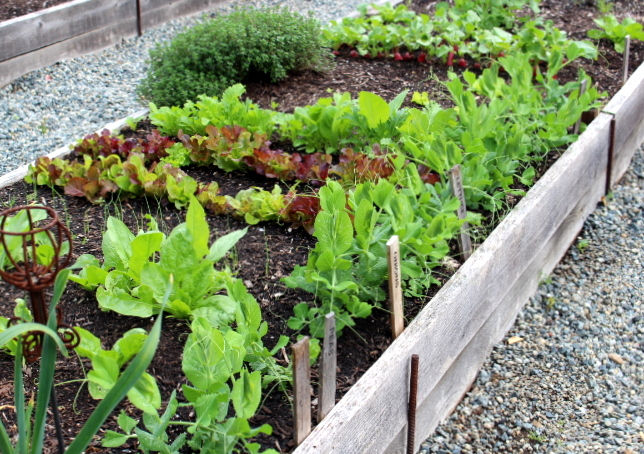
Plant Different Plants In The Same Space
3. Yet another way of succession sowing is to replace short early season crops with a summer or fall crop. Replace peas with rutabagas, fall cauliflower, broccoli, kale. Replace finished spring greens with beans and then later with fall greens. Plant something summery in the place of harvested radishes, turnips, or bolting lettuces. Cucumbers are great following peas, the nitrogen from the peas makes for better cukes.
Don't forget that fall (late summer) greens, broccoli, cauliflowers, etc have to be started 6 weeks before you want to plant them, so in the middle of summer! Very few greenhouses sell fall veggies as it is not profitable for them, so if you want them, start a few trays in a shady, cooler location of the yard.

Interplanting/Undercropping
4. Planting two different species of plants together in the same place. This is usually done by planting a fast crop, or an early crop, beside a slow to mature crop.
Think small, short plants in a row in between two larger plants rows. Like lettuce between cabbages or broccoli. The lettuce will be harvested before the cabbage or broccoli gets really big. Or corn planted in early summer between your spring sown spinach. The spinach gets shade from the corn and is harvested long before the corn is ready. Or grow a spinach beside where you will be putting your tomatoes.. spinach will be long gone before the tomatoes start to size up.
Sow fast growing spring crops like lettuce, spinach, radishes, baby greens, baby turnips, kale or beets in and amongst these slower maturing crops...
- tomatoes, peppers, eggplant
- cabbages and other brassicas
- Long season root crops like carrots, onions
- Squashes, melons, cucumbers
- Peas and beans, the vines will provide shade for the greens and prevent bolting.
Or fall crops in between summer crops. Or root crops between climbers or upright crops. You can easily grow greens, lettuces, radishes in between rows of just about anything. There is so much more I could say about this wonderful topic but you get the picture!

You all remember this cucumber experiment when I got here to the new house?
I usually direct sow my cucumbers into pots and the garden in late May. I then start a couple of new pots (2 or 3 seeds in each pot) in early to mid July for fresh cukes till fall.
Last summer, we got here to the new house in mid July and I suddenly decided at the end of the month, that I wanted to try some growing some cucumbers. I sowed up three pots, one with a slicer (Alpha Beit, Persian Baby Cukes, and Chelsea Long English). This was a late start in a short summer area but you know what? It paid off in spades. The alpha beit did nothing at all really, was a bust, but the other two produced like crazy all the way till frost took them down in October! We had fresh cucumbers for 2 months. So glad I decided to try this.,
Anyway, I always grow two batches of cukes per summer, plus a big batch of pickling cucumbers, as well, as we eat a lot of them.

Grow what you eat &
Don't be afraid to try New Things ~ Tanja


Comments