


Late August In The Potager Garden
- Aug 30, 2024
- 12 min read
Here we are at the very tail end of August, with autumn most definitely in the air. It's in the cooler nights, morning dew, some much needed rain, harvests, and garden clean up.

This morning was just 8°C and sure felt chilly, but I'm not worried (maybe just a little bit). The past two autumns have lasted well into October, so fingers crossed for another spectacular one.
We had a very windy, cold, rain day, so it sure felt like fall was here. However, has since shifted back to sunshine and warmth again. We did not get a lot of rain where I am, just over 1/4 inch, but every bit of moisture helps as it has been so very dry.
I was watering everything the day before the rain, in preparation for the upcoming moisture. I'm sure the neighbours always think I am crazy when I stand out there giving everything a good drink while storm clouds gather above.
When and why is it a good idea to water just before a rain shower?
Why? It helps your soil absorb the rain better, go deeper into the soil.
if your soil is hydrophobic (repelling water), damp surface soil will help absorb the rain when it arrives, instead of running off, or pooling in pockets.
Even if it is a light shower, the water will go many inches deeper into the soil if already damp. Otherwise, it just ends up as surface water, which evaporates in no time.
Pots, planters, and hanging baskets have so much foliage and flowers that the rain will not come closes to reaching the soil. They will be limp and dry mere minutes after the rain stops. Both need a daily good soak at this time of year.
If you are planting new seeds or plants. Water them after planting, the rain will soak the soil around them to help them establish faster, prevents wilting.
Established shrubs, trees, plants will get a deeper soak.

Garden Clean-Up
It is time... things are getting tired looking. I compare my baskets, pots, and gardens to last year... not even close to the same. Last year, things were looking spectacular at this time.
If you are a townie, like me, you are probably also spreading out your garden clean up to fill your green wheelie bin (organic waste bin) to the brim each week.
We sold hubby's pick up this summer, are now down to one vehicle, so spreading out the compostable material is a necessity in order to get rid of everything. Luckily, we can borrow a truck from family, and can fill our neighbour's wheelie bins, should we need to.

Get rid of tired baskets and potted plants. If most of the plants in the pot still look good, just pull out the tired, ugly plants (lobelia, bacopa, alyssum, petunias) and replace with something new, or something from another pot that is thriving.
I ended up with 5 empty flower pots and filled the empty pockets with happy geraniums and trailers. Less pots to water, everything looks full and pretty again, for a bit longer.
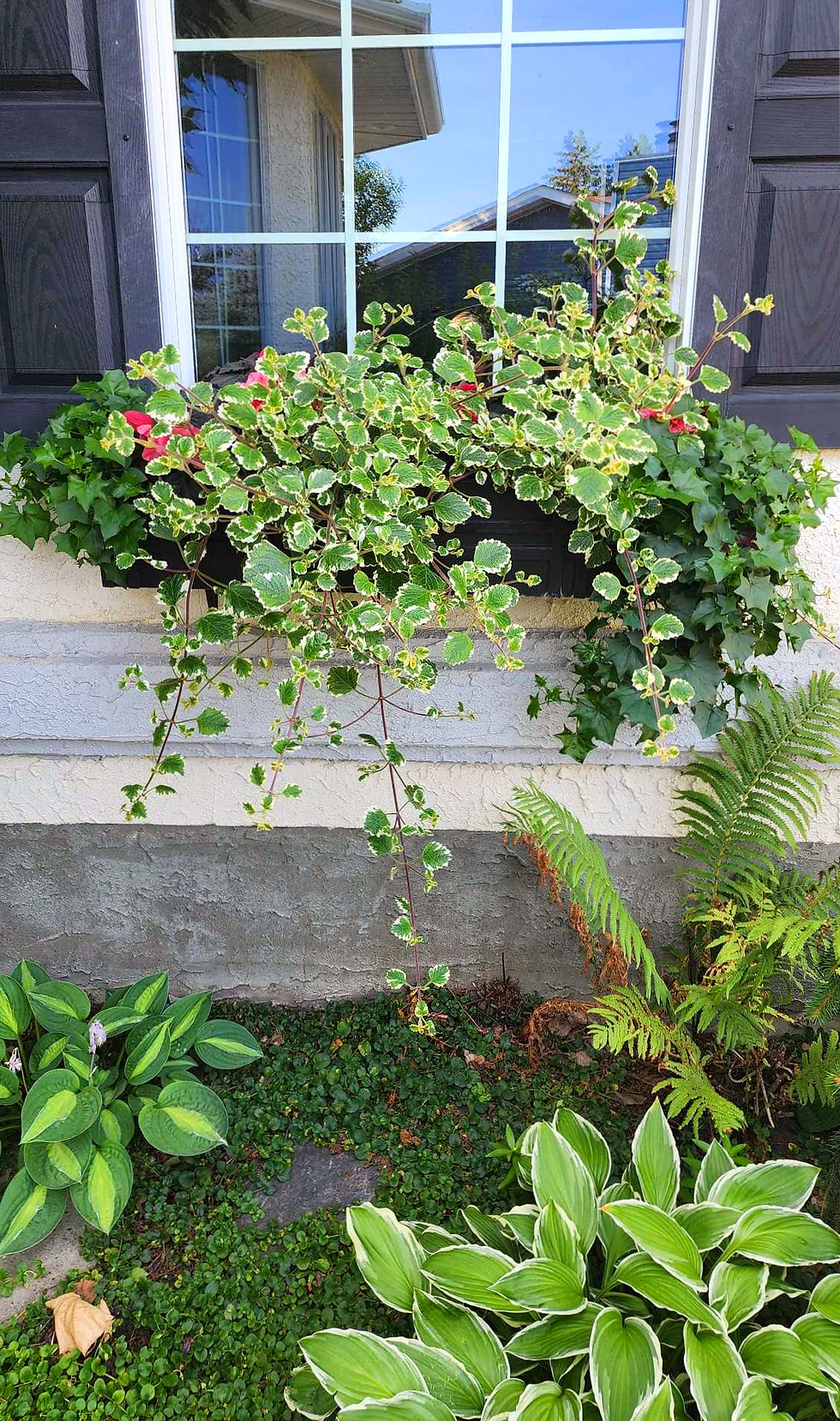
I have decided that I am never buying pink petunias again. I truly hated them so much, lol. Much less petunias next year, in general, unless I can find petchoas ( a cross between a petunia and a calibrachoa). They bloom forever and stay compact (often sold as SuperCals). Will stick to geraniums, begonias, trailing flowers, and greenery.

To prune or not to prune?
Prune your finished perennials to promote a late flush of new blooms. Plants like salvia, catmint (nepeta), veronica, monkshood, delphiniums, dianthus, campanula. They may give you another flush, they may not, but it never hurts to try.
Take cuttings of the salvias now, if you are looking for more of them. I am so in love with salvia that I am planting them everywhere for the hummers, bees, hoverflies. I have not seen many butterflies here, but I know they like them, too.
Roses! Let them do their thing. If you prune them now, you encourage new growth, so they will likely not have time to shut down properly for the year... meaning, you will lose them in winter. Allow them to make and ripen their hips.
Echinacea (and rudbeckia) - coneflowers will still be making new blooms, and finishing others. Allow them to finish off in their own time. The bees, pollinators, and beneficial insects will love the finished blooms as much as they do the new ones. The birds will enjoy them later in the season.
Shrubs and trees. Pruning promotes new growth, something we do not want this late in the year. If you need to prune off long branches, wait till it goes dormant. Cutting off anything dead, broken, or diseased can be done at any time of the year, though.

Herbal Harvest
If you have potted herbs, like thyme and oregano, it is getting close to the time when you can plant the hardy ones into your garden.
Trim plants to 3 inches, plant into the ground. Doing this now gives them enough time and energy to root in so they overwinter (which they will not do in a pot, here on the prairies) and come back in spring.
On the island, I planted near all the herbs into the garden in fall (except parsley), but here, just thyme, tarragon, chives, and garlic chives. Yes, mint is hardy here, and spreads like crazy.
To bring in your rosemary. Rosemary is hardy to a zone 5 (though you can still lose it in a hard winter in a zone 7) so if you don't want to lose it, bring it in for the winter.
Hates wet feet, put it in a clay pot, water when soil feels dry.
Place it in a cool, but very bright window. Loves light and bright, but not the heat, so do not place it by a heating vent.
If you are in a bit warmer zone, it will love it in the greenhouse.

With your trimmings, make herb packets for your soups and stews.
Cracking Tomatoes?
I have had several people ask me about circular and vertical cracks on their tomatoes. These are growth cracks. They tend to happen after a good rainfall, or sometimes if you forget to turn off the weeping hoses in a timely manner (ahem, oops. I may have done this a time or two on the acreage).
This is another reason to lightly water before a rain.
The flesh of the tomato will grow faster than the skin can keep up with, so it causes cracks. If the cracks are circular around the top, they usually heal up just fine. Are not the pretties, but are fully edible. The cracks that go up and down tend to be more problematic. They do not close, bacteria gets into the tomato causing mould to start up. If you get them right away, they are fine to eat. If you see any black or grey mould starting, toss them in the compost bin.
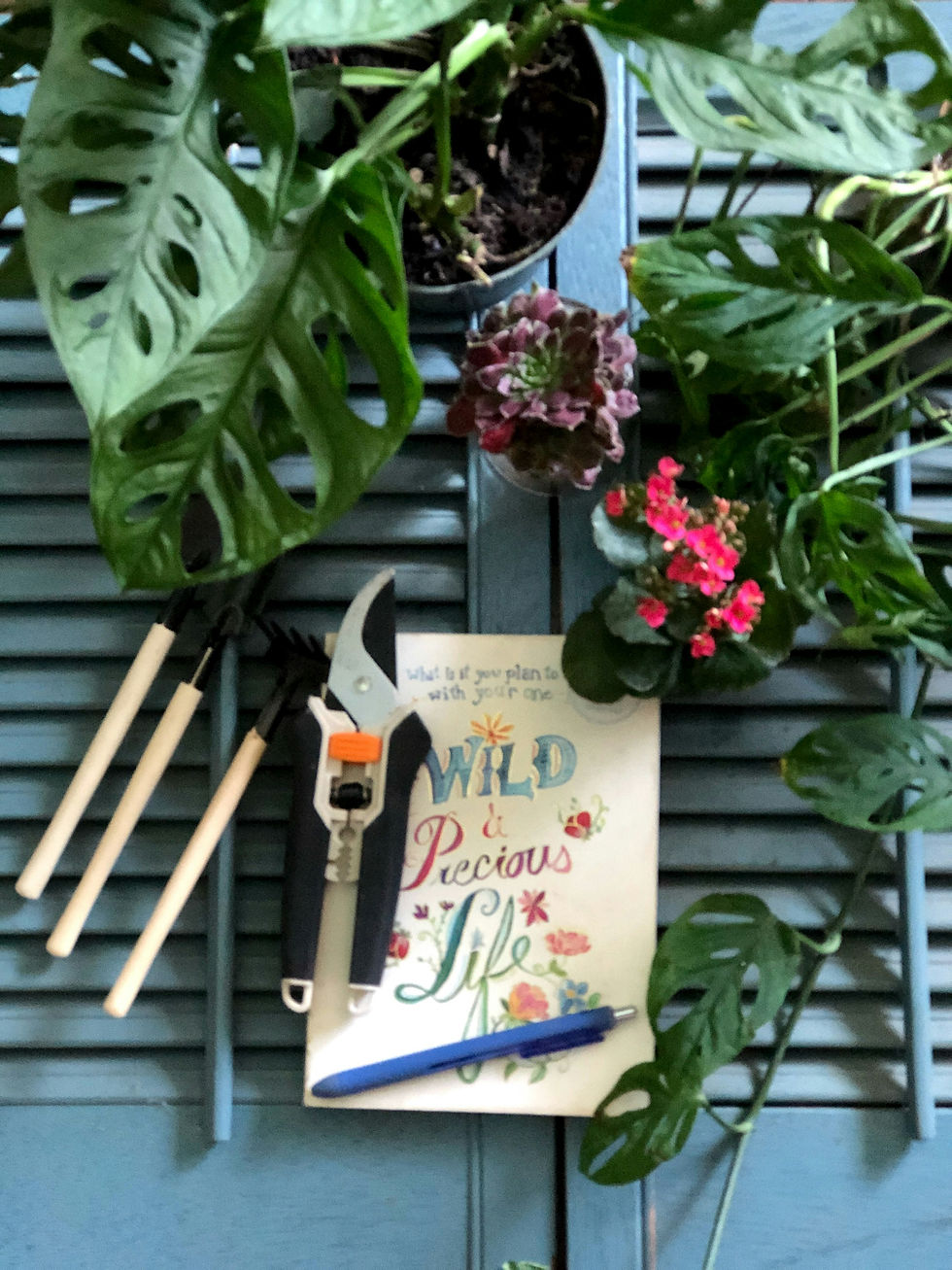
Journaling!
Don't forget to jot down notes while things are fresh in your mind...
Write down your ideas for next year.
What plants you loved and want to buy again... which ones not to (petunias!)
Colour combos that you really like. (white and green, with hints of pink)
Plants you want move, and where.
Where you are planting your tulips, crocuses, daffs, etc...
Your garlic map, if you plant assorted varieties.
Your fall sowing so you do not weed them out.
I like to keep track of the daily weather, too. Temps and conditions.




The Farmer's Almanac Planner / Russel Hazel Planner (I have this one - love it!)
*As an Amazon affiliate, if you purchase an item from one of these links, I make a teeny bit of money to support my blog. It does not cost you a penny more than it would if you went to the item on your own, without my link. Huge thanks : )

Vegetable Harvests & Clean Up
I just went through my brussels sprouts and yanked out 5 of them, leaving me with 6. If your brussels have no sprouts yet, is probably not going to have enough time to make some.
If you have small sprouts, remove the bottom leaves and yellowing leaves. Keep watering them once or twice a week with a good, deep water. This would be a great time to give them a shot of seaweed, too.
My daughter was on the island this summer, visiting family, and brought me back a big 4 liter jug of the best liquid seaweed on this planet. I should be set for the next couple of years ; ) I use it as a foliar feed for summer veggies, flowers and seedlings in spring, as a water in for a gentle boost, and also as a root booster. This stuff is magic. Dahlias love it! Check here for my other favourite seaweed, kelp, and organic fertilisers.
I have thinned out the tops, extra foliage, and all the flowers off of my tomatoes. Finally harvesting some from the greenhouse, while the ones out in the garden beds have just the lightest tint of colour. Yay! I gave them a shot of the seaweed, too, hah! I use that s##t on everything! Even used it to transplant my flowers the other day.
Zukes, cukes, and squash will start to get powdery mildew, or spotted ugly looking leaves. This is normal as we start to get into cooler nighttime temperatures.
For squash and pumpkins with trailing vines, you can take off the leaves to slow down the process, but do not stress about it. If you want to leave, just leave it. Powdery Mildew will not affect the ripening of your pumpkins or spaghetti squash, etc. Thin out some of the foliage on your zucchini to slow down the process. This will let in more sunshine and airflow.. as Martha would say, it's a good thing.
For cucumber vines, if they are still producing and have green, new leaves at the top, cut off all of the speckled, yellowing, or mildewed leaves. This will keep your vine happy and producing cucumbers for weeks yet. And, yep, you got it, feel free to give them a shot of the seaweed, too, either water in, or spray on the foliage.

I made another jar of those fantastic 'Crunchiest Fridge Dill Pickles You Have Ever Tasted' again. While the cukes were late coming in, I'm now getting a jar's worth once or twice a week. There is nothing better tasting than these small batch pickled cucumbers! Or any veggies, for that matter. They stay so crunchy! Check out the recipe to see how to do it!

Garlic. If you have not already ordered your planting garlic, is time to start looking. I am getting several bulbs of Red Russian from a farm in Nanaimo to add to my collection. I also recommend Rasa Creek Farm. That is where I've purchased mine from over the past dozen years, or more. You can also check local farms and farmer's markets, Kijiji, and fb marketplace. If all else fails, scope out any garlic farm on Facebook and you will soon get tons of garlic farms adverts in your feed. Guess how I know, eh ; )
Ps, that farm in Nanaimo also happens to be for sale if anyone is looking for a great organic gardening opportunity, with instant income opportunities.
We plant garlic, here on the prairies, anywhere from mid-September through October. On the west coast and warmer climes, you have a longer planting window, anytime till end November. I like Hallowe'en or around a full moon (September 17th/October 17th). For how to grow really great garlic, see here.
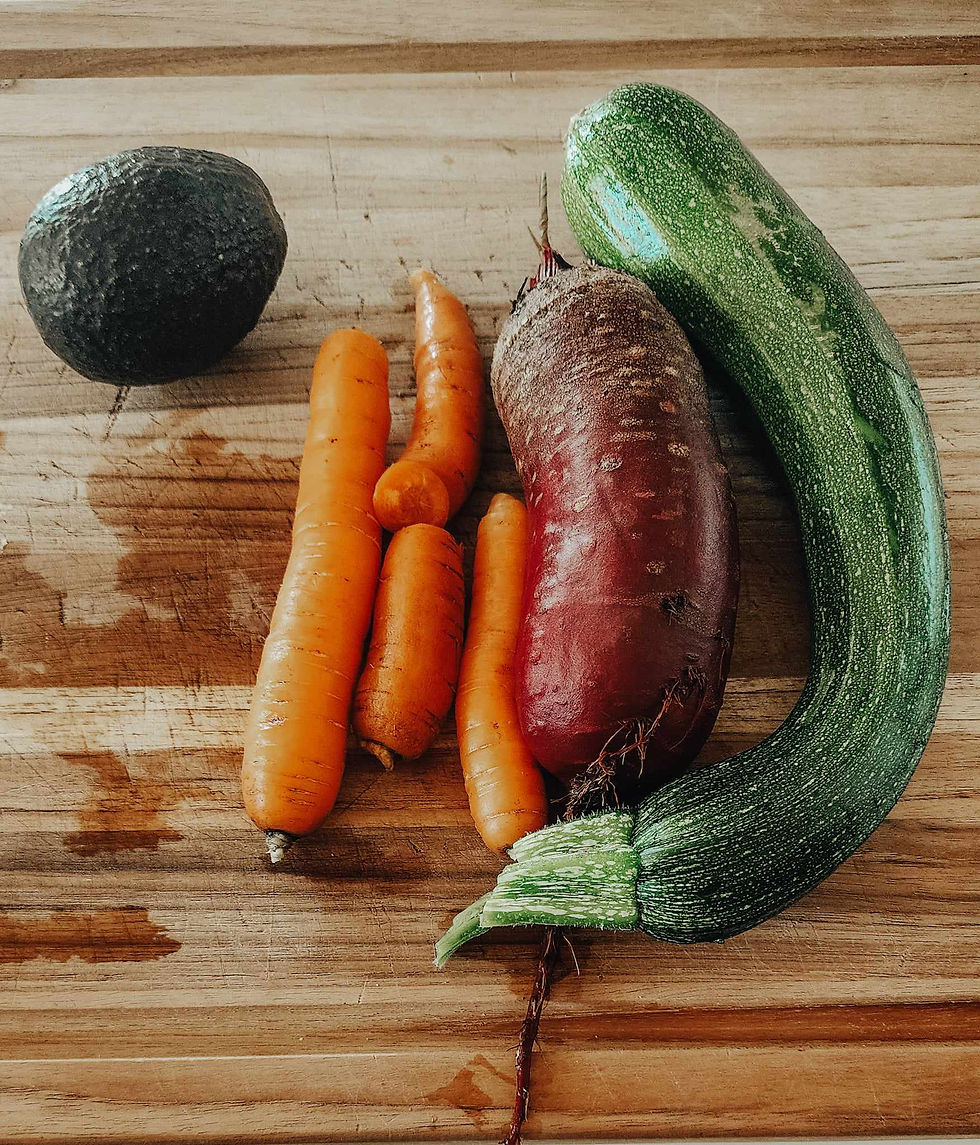
Carrots, beets, lettuces, onions, all the other things - Don't save them all till fall, eat fresh from your garden every day! I've been eating a salad and roasting veggies from the garden almost daily since mid July and still have plenty left in the garden. (have lost 11 lbs since June 3rd-just under 3 months, too : )
If you had a great onion crop, see here for how to cure them for storage. I did not as the maggots got near all of them before the alyssum grew around them for protection.
What to do over the long weekend?
This is a great time to sow short season crops that like to finish off in the cooler temps coming our way. They germinate quickly in the warm soil and then grow nicely in the cool weather.
What to sow? radishes, lettuce, Asian greens (they love these fall temps), turnips, chard. I'm skipping this bit, I think, except the lettuce, and just sowing for spring. I'm just over it for this year, it has been an odd summer.
Shop for your early spring vegetable seeds now. Sow just before the snow flies, mid-October here, mid-November or later in warmer zones (west coast). Carrots, lettuce, spinach, lettuce, radishes, parsnips, scallions, beets, chard. These will come up in late March or early April.
Shop around for spring bulbs. Not sure whether I will be ordering from Vesey's, or trying to buy locally this year, as I just want a big swack of tulips this year.
*Tip that I just learned today? I was today years old, a very old gardener, when I found out that when you feed your tulips/flower bulbs with bloodmeal (nitrogen!), you do not put it in the planting hole, but rather scratch it into the soil's surface after planting! Why did I not know this? Anyway, only apply if your soil is low in nitrogen.
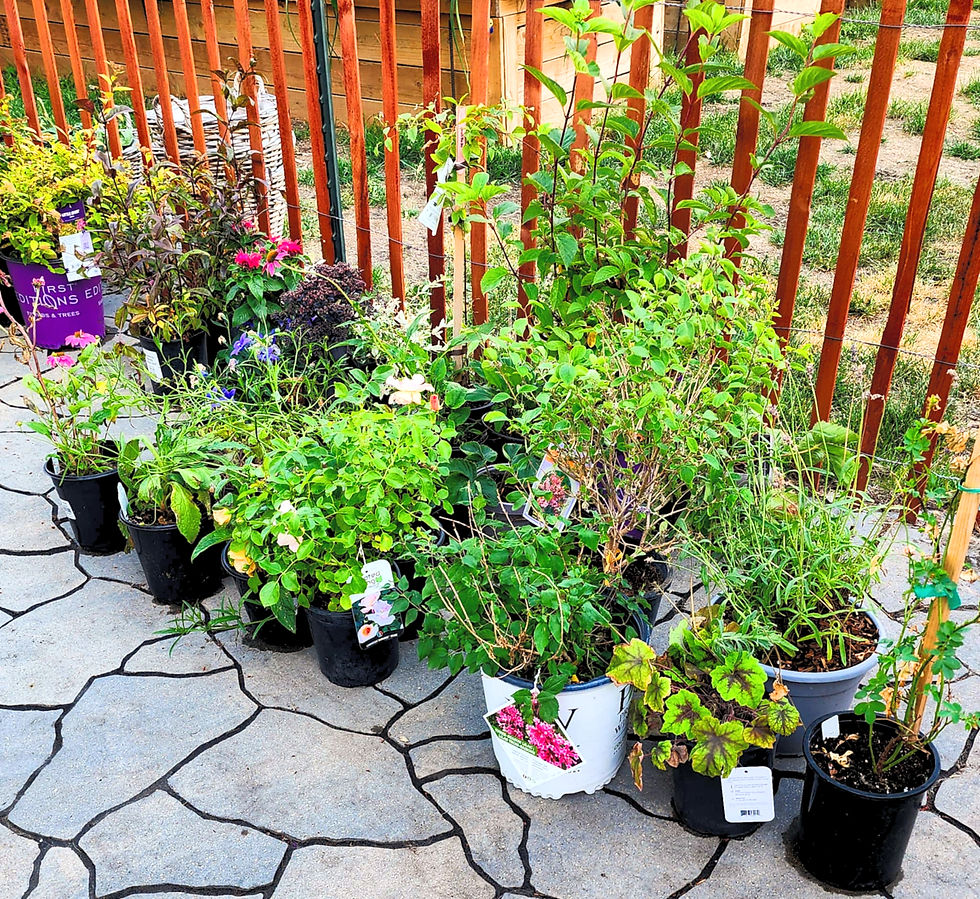
What more can I tell you... Oh, let me catch you up. The landscaper should be finished within a couple of days. I will then (finally!) be planting out my stash of shrubs and perennials that I have been saving for the new beds. I am so excited that the end is nigh, and still early enough in the season for us to enjoy the yard before snow flies. Pics to come very soon!
And in the greenhouse...
Melons are doing great. Should be eating them soon-ish!
Cucumbers leaves starting to look yucky, but producing like mad.
Tomatoes doing well, harvesting from the greenhouse.
Peppers are finally near aphid free thanks to the ladybugs, and are making peppers.
Eggplants look like they are a write off. The blossoms have maybe been too aphid filled to pollinate? I have tried to help them along with hand pollination but not one eggplant on 6 plants, even though lots of flowers, and healthy plants. Next year, they are going in pots!

Bugs
Not sure if I mentioned this last time, or if I have just talked about it on fb, but it is a very buggy year. It is also getting to be the end of the season. Please do not stress about these pests. The trees, flowers, shrubs will soon drop their leaves, finish blooming, be done for the year... is not worth it to try to get rid of one pest, only to kill off many of the good guys at the same time. My yard has bad bugs, but is literally full of ladybugs, bees, hoverflies (look like bees, do not sting), parasitic wasps right now. It is amazing to watch! Let them do their thing.
Thrips are little bugs that are getting into your flowers - roses, dahlias, cosmos, zinnias, squash blossoms, petunias - making them look brownish, not opening well, streaky, twisted, looking sad. To find out if you have thrips, take a blossom, hold it over a white sheet of paper, give the flower a tap. If you see little bugs that look like tiny bottom eye lashes, you have them. Sadly, there is nothing that you can do about them. No contact sprays will kill them as they hide in the blossoms. If you want bees to feed from your flowers, you do not want that anyways.
What can you do? Thrips comes through the yard in a wave. Remove ugly flowers, toss, let them rebloom. We still have lots of time. Or, leave them be and wait till the thrips are gone for new pretty flowers. Or, get rid of the plant... it is just about September.
Aphids - well, here on the prairies, they have been so bad that they are making trees sticky, making cars parked underneath them sticky, getting into every single thing. Oddly enough, I do not have them anywhere else in the yard besides the greenhouse. Must be all that alyssum that I have everywhere, and I do mean everywhere. The beneficials love it.
Please do not bother spraying. You will never get rid of them all, but you will diminish the good guy population at the same time. Guaranteed they are there. The ladybugs and their larvae are out in full force! The hoverflies, the wasps, the parasitoids, too. Let them have at it.
I am pulling my eggplants this weekend, the ladybugs have thinned out the aphids enough that the peppers are fine. Phew! If you want to try something, pick up some ladybugs from the nursery. Otherwise, pull the plants, let things be for this season.
It has been a tough growing year all the way around. Call uncle and walk away.

One last thing... leafhoppers. I drown hundreds of them each week. If you start to spray your vines (virginia creeper, hops, grapes) and bunches of little white things fly out, you have leafhoppers.
There is nothing much you can do about them now either, except spray them with water till they fall to the ground and then keep spraying them in the hopes that you are drowning some of them off. As you can see from my grapevine, I have had a terrible leaf hopper problem. They are finally leaving? Dying off? Seem to be almost gone.
Ladybugs, lacewings, and other insects will eat these wee bugs though, so next year, I will be planting lots of alyssum and cosmos at the feet of these vines.
You can also try Green Earth dormant oil spray kits in late fall and early spring, when the plants are dormant. Also on roses, cotoneaster, and fruit trees. Read directions for correct time to use.
That is it in a nutshell. I shall spend the long weekend pulling out anything that is done, or not thriving. Filling up that green bin for garbage day. Eggplants will be in it!
I will be also be baking zucchini breads for the freezer, plus some apple cinnamon buns made with apple butter. That recipe is coming in the Sunday Bits post.
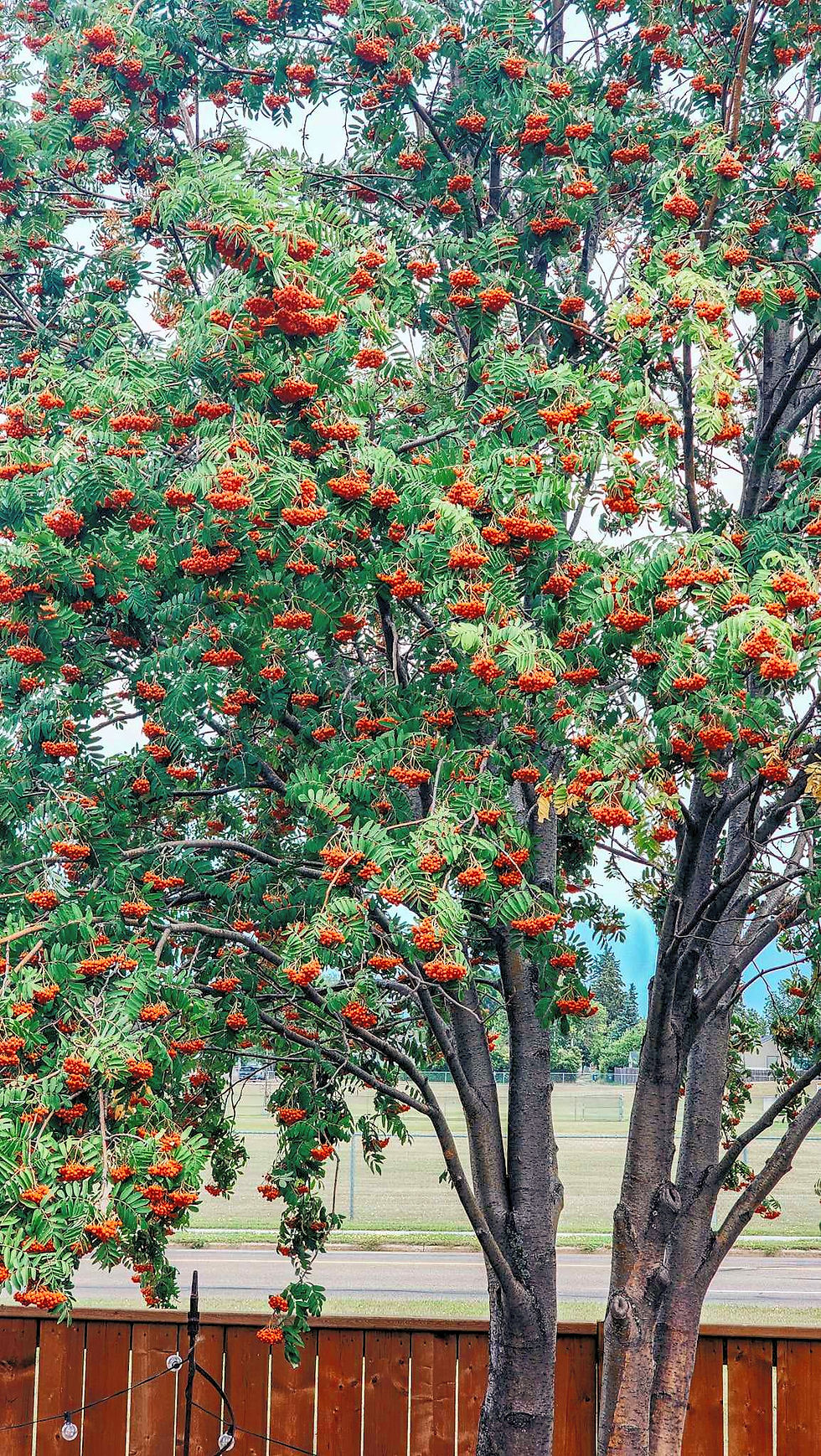
As I started with a picture of one of my mountain ash trees, thought I would end this post with the other one. This is my red berried one. Remember in spring how I said it was so full of flowers that I could hear it humming as I sat on the back deck? Those flowers all turned into berries! The cedar waxwings will be super happy when they come through this year! Isn't it beautiful?


Comments