


Five Easy Steps To A Potager Garden
- Apr 24, 2024
- 6 min read
A potager is a fancy kitchen garden, one might even say that it is a bougie food vegetable garden... one that is both pretty to look at and functional. While the term potager may sound fancy and difficult, it is actually just the French word for kitchen garden.
One grows flowers, herbs, fruits, and vegetables all together for a garden that looks elevated, a step above the rest. The best thing about potagers is that they appeal to the bees so you have better pollination, too, which means even more fruits and vegetables.
Here are five easy steps to create your potager garden.

Step 1 is Location
Your potager should, ideally, be located close to the kitchen, making it easy to bring in your herbs and vegetables.
Vegetable gardens need good sun, you want 8 hours of sunshine each day. It does not all have to be at once. It might be 3 hours in the morning and 5 hours in the evening. The key is to have a lot of sunshine. All fruits and vegetables, even rhubarb, taste sweeter when they get lots of sun.

Step 2 is to Choose Your Design
Once you have determined where the best sunny spot is in your yard, you'll need to decide how you are going to lay out the potager. Is it going to be the back half of your backyard? A corner? A long one along the side fence?
Is it going to be a fancy design like a knot or circle garden. Maybe a formal one with four beds, one in each corner and a fountain in the middle, or a small apple tree, maybe? This is a very popular potager layout. Back in the day, potagers tended to be ornate and a bit formal, but casual and carefree cottage garden style is becoming more of a thing. Maybe it is a blended garden concept as we learn more and more about permaculture?
Fences, borders, pathways, strip gardens are potager hallmarks, giving them a bit of distinction. Brick pathways, pots to make a border. Local stone, wood, slate, tiles, bricks, are usually easier to access and add a bit of local flair.

Step 3 is To Build Your Gardens
Now that you have a design, an idea of where to start growing your potager garden, build your in-ground beds, raised beds, or container gardens.
An in-ground garden is the least expensive option, while raised beds add formality, and container gardens add more flexibility. Small yard potagers might be mostly all containers or planter boxes.
To make an inground potager, mark off your garden area. Add a cute little fence if you want to give it some presence, or place pots on the border to create an ornamental border to your garden. Make long beds that are 2 or 3 feet wide for ease of access from both sides, with a narrow pathway in the middle for harvesting, watering, tending to the beds.

Mound the soil in the planting area, flatten the top so that it is easy to water and the water will not fun off. Taper the sides down to your pathway. Flowers can be planted in the tapered bits, or lettuce, onions, etc..

Or, build raised beds.
Build up the beds with wood, metal, rocks, bottles, cedar shakes, old bricks. Anything that will raise up your bed a little bit and define the beds. In just 10 to 12 inches you can grow anything at all, even if you build your bed on a bed of shale so you cannot go down. As in the picture above. Our last garden was built on a bed of shale so we went up.
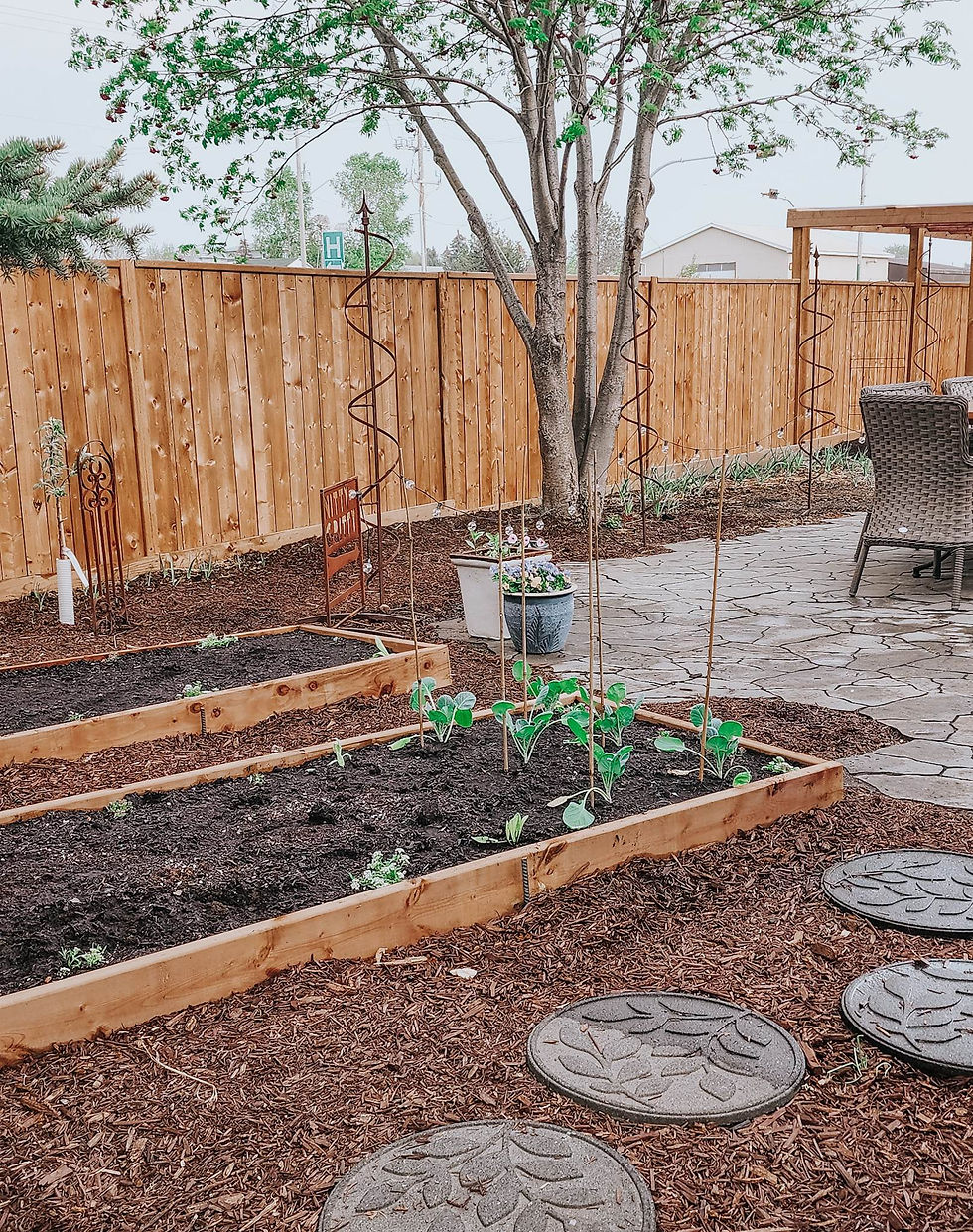
Our new garden is on prairie soil, so the the roots of the veggies can go nice and deep. Therefore, the bed does not have to be very deep at all. We just filled it with a good compost garden soil blend.

Containers - are the answer if you can build anything permanent, make changes, or maybe you have a very small yard. Any kind of pot, bag, or planter box can be used to grow your planting in. Fill them with good soil, vegetable seeds or starts, add some flowers and you have a lovely potager.

For example - Plant a tomato in the center of a pot, plant 2 marigolds and a basil plant as companions = instant potager type planting.
Tip - The key to any kind of successful garden is great soil. Potager are organic, wildlife friendly gardens where you use healthy soil to feed the plants rather than chemical fertilisers.
Bring in great garden soil with compost blended in. If you have an inground garden, add compost/manure to your bed and turn in lightly with a garden fork. After the initial turning in, adopt the no-dig method and layer compost on top of the beds when needed.
For raised beds, it depends on how deep your beds are. If tall, you can fill the bottom with garden trimmings, grass clippings, straw, Guinea pig bedding, any sorts of organic matter that will break down with time. Top with a good garden soil blend, or make your own with topsoil and compost or manure.
For container gardens, you want to use a soilless potting mix for healthy roots and plants, mixed with a bit of compost or manure. I like a 5 to 2 parts ratio.

Step #4 - Pick Out Your Plants
The fun part! Choose your fruits, herbs, flowers, and vegetables to grow in your potager garden.
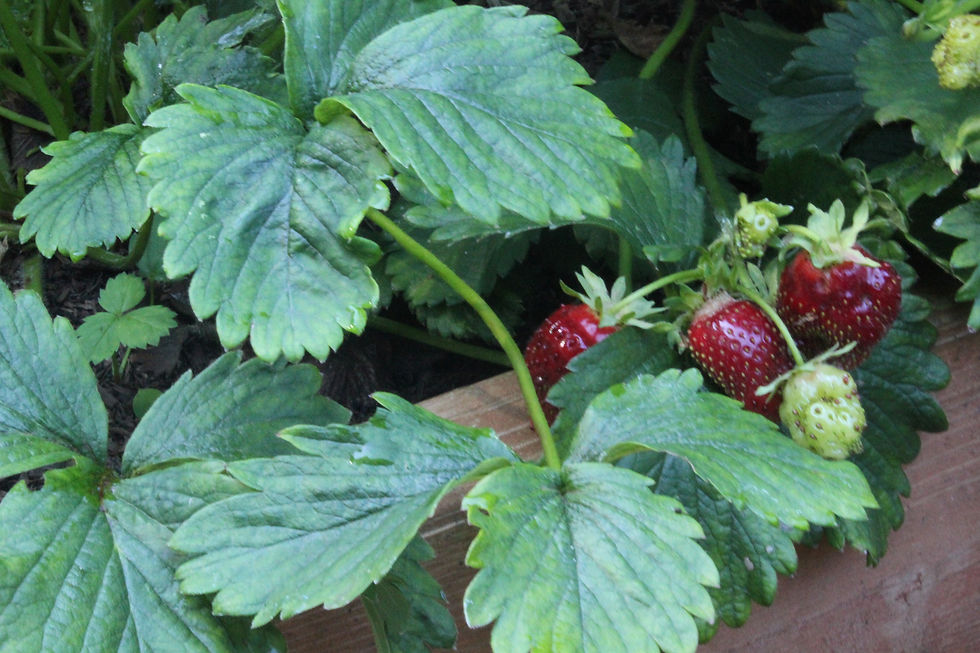
Fruits - strawberries, raspberries, blueberries, dwarf cherry bushes, saskatoons, haskaps, and dwarf fruit trees are all perfect for your potager. Plant what you like to eat.
If you are planting a fruit tree, keep in mind where it will cast shade for your vegetables. Apple trees now come as small dwarfs so are easy to fit into your yard. Yes, they do need a cross pollinator, but as long as someone on your block has an apple in their yard, the bees will pollinate your apple.

Herbs - Grow them in pots, grow them in your beds, grow them everywhere. The bees love herbs. Chives, oregano, and thyme are perennial (grow back year after year) in even cold zone 3 gardens so can be planted in your garden beds and borders.
Dill is an annual (needs to be planted each year) but often self seeds so will grow new plants each year. Parsley, lavender, and rosemary will overwinter in the warmer garden zones, but not in our cold prairie gardens.
Vegetables - grow the ones your family likes to eat. Don't waste your garden space on broccoli if the rest of the family does not eat it. Lettuce, peas, potatoes, tomatoes, beans, beets, carrots, and cucumbers are some of the most popular, easy to grow vegetables.
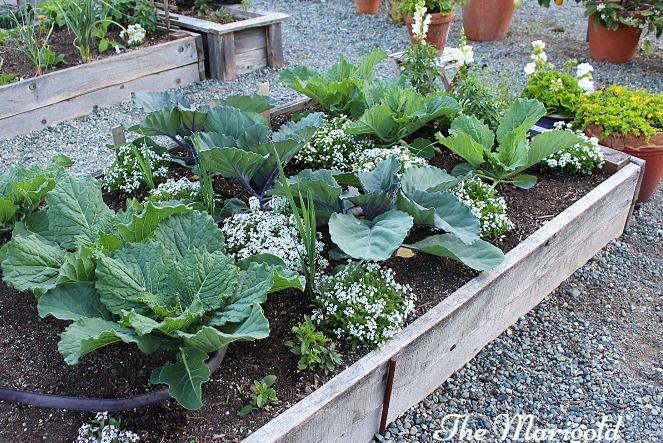
Choose pretty vegetables that add colour or texture to your potager garden. Lettuces, for example, come in all sorts of pretty colours... lime green, red, frilly, speckled. Plant a mix, or in rows to lean into the fancy of potagers. Plant dinosaur kale beside frilly lettuces or purple cabbage.

Flowers - add flowers in between your rows, at the ends of the beds, along the sides of the beds, in pots and planters.
Bee favourite flowers are alyssum, calendula, gem marigolds, zinnias, cosmos, calendula, sunflowers, sweet peas, and nasturtiums. However, plant anything you like to grow! Plant johnny jump-ups, pansies, violas, salvias, tulips... You want a rose bush in the garden? Plant it up, they will love that.
The only rule is to not dot the smaller plants here and there, but rather to plant them in blocks or rows, as that is what the bees and beneficial bugs prefer. That will keep them in your garden to pollinate and eat the bad bugs.

Step #5 is to Add Interest To Your Garden.
Make your potager special. Add a birdbath to attract songbirds, a shallow plate of water with pebbles to feed the bees, maybe a pond or fountain for the sound of trickling water.
Add height with tuteurs, trellises, pergolas, or arbours to grow your vining flowers or veggies. Fences and pathways add more distinction.
Make it organic and wildlife friendly. Add a bughouse, a mason bee home, toadhouse, or maybe even a bat house. Plant lots of flowers to attract bees, butterflies, hummingbirds, and songbirds. Leave small piles of logs for frogs, toads, and other small critters to overwinter in.
Choose flower colours that suit your tastes and your garden, or make it a colourful cottage garden. Make your potager a haven that looks pretty, feels calm and serene, is a healthy happy space for you to wander and putter in, growing great tasting, organic food crops.


Very helpful thank you !